 NL
NL 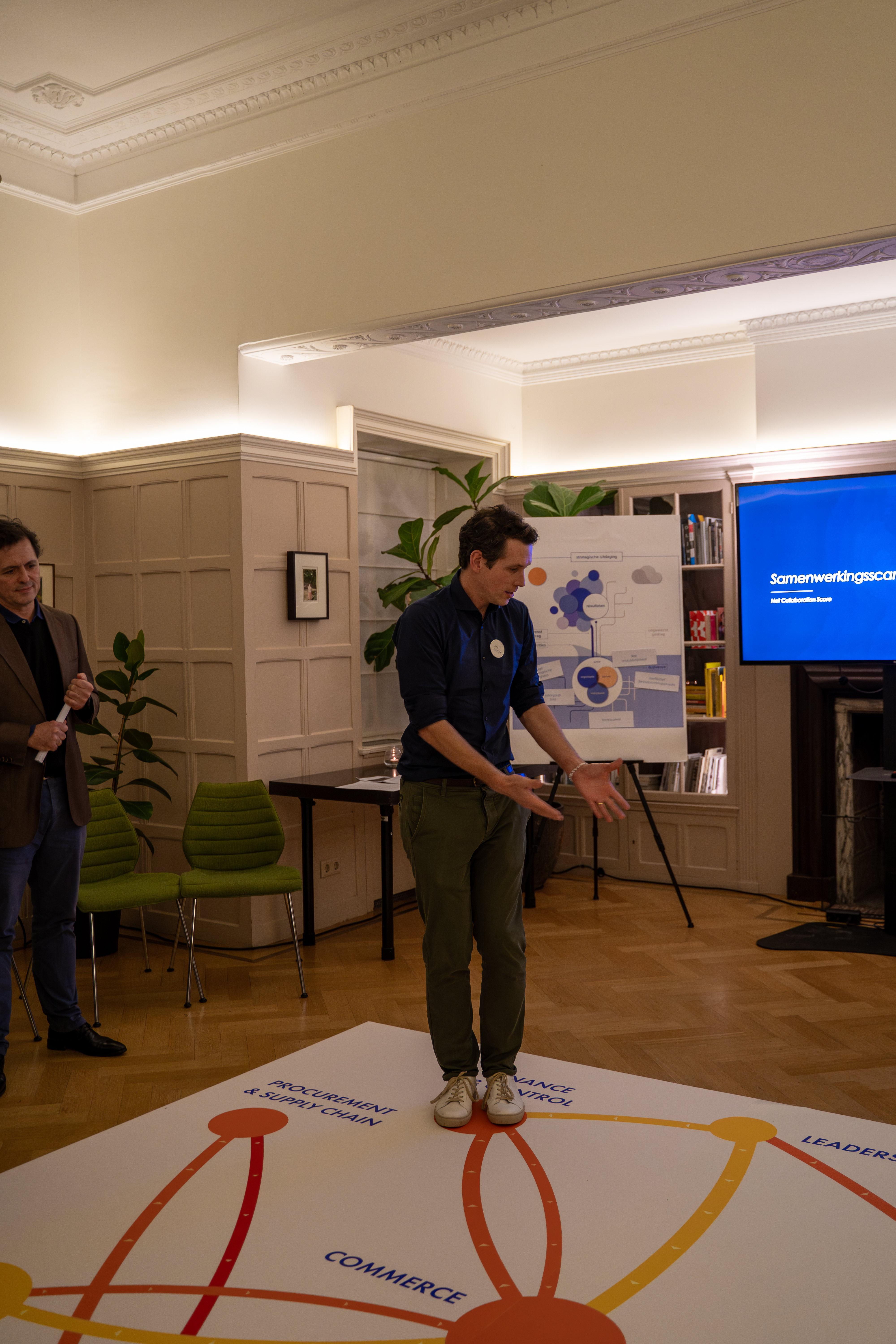





Port of Rotterdam on an AI inspiration trip
year
2026
Client
Port of Rotterdam
Expertise
AI Transformation
On the road to AI as a strategic theme
The Port of Rotterdam is in the midst of a fundamental transformation. Digitalisation and AI are affecting not only operations, but also the energy infrastructure, the geopolitical position, and the role the port plays within the European ecosystem. It had been clear for some time that AI would have an impact. But what that meant in concrete terms for the organisation and the leadership team was not yet well defined.
According to Saskia Mureau (responsible for digital strategy for the ecosystem), this was precisely the key challenge. AI was no longer an IT issue, but it was not yet a shared strategic theme either. Levels of understanding varied significantly, while decisions still needed to be made that would shape the port’s strategic position for years to come. That tension was the direct reason for seeking a different approach than isolated sessions or pilots.
Our approach: a shared AI inspiration journey
The decision to embark on a shared journey did not stem from “inspiration for inspiration’s sake”, but from the belief that strategic direction can only be set when an organisation’s leaders learn together, see the same examples, and develop a shared language. This inspiration journey was therefore deliberately designed: investing in understanding and direction before ambition is defined and choices are made.
The journey was intentionally organised within Europe, because it is essential for the Port of Rotterdam to invest in a strong European AI ecosystem. Both from an economic and geopolitical responsibility perspective.
The design of the journey: not a study trip, but a learning and reflection programme
We planned the journey across three different cities and three interconnected strands that reinforced each other throughout the week.
1. Deepening knowledge: making AI tangible (Cambridge)
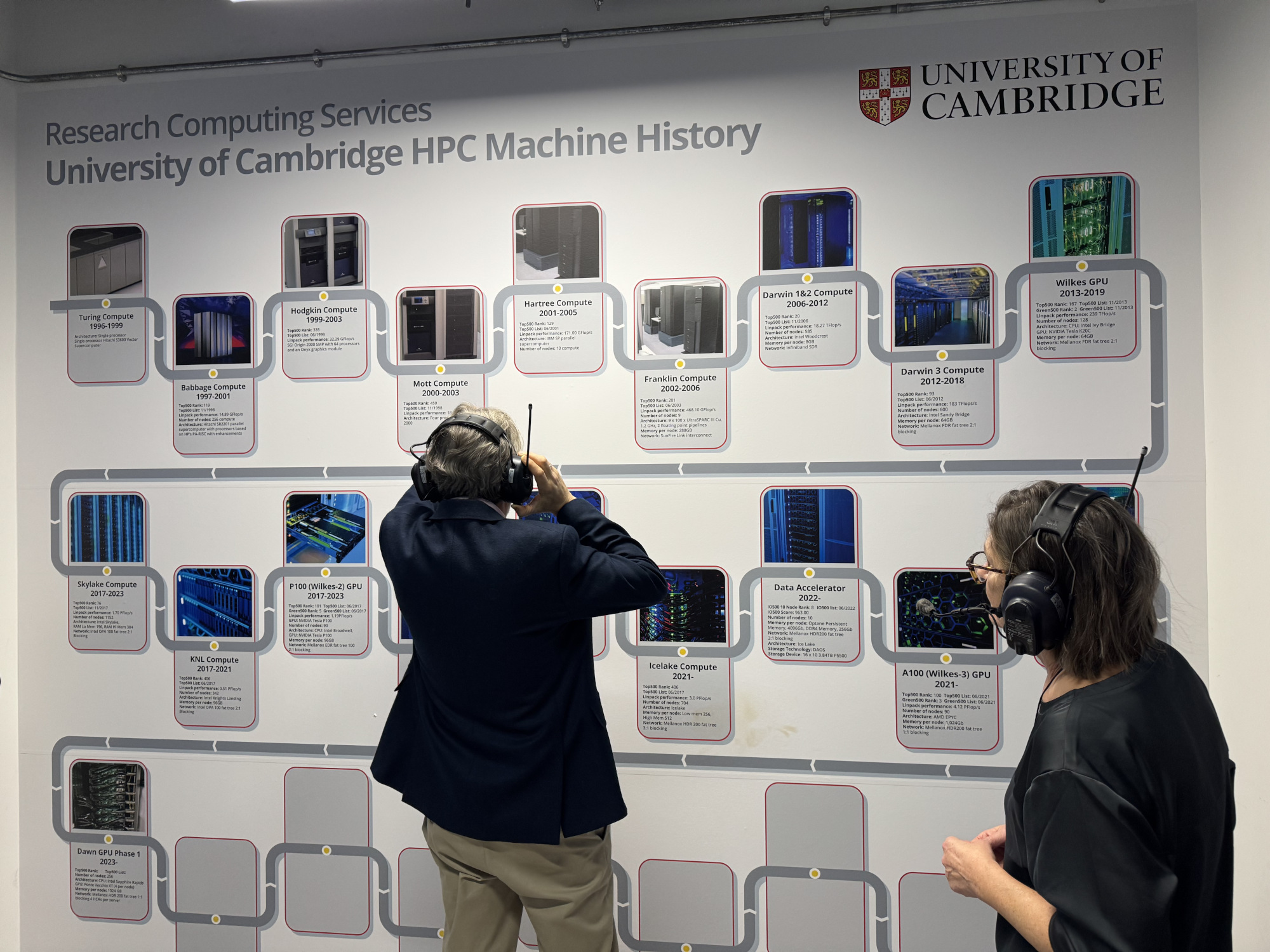
In Cambridge, we immersed the delegation in a mature European AI ecosystem where universities, start-ups and industry work closely together. It was precisely this interconnectedness that made it clear that AI is not a standalone technology, but only creates value when data, infrastructure and people come together and are well organised.
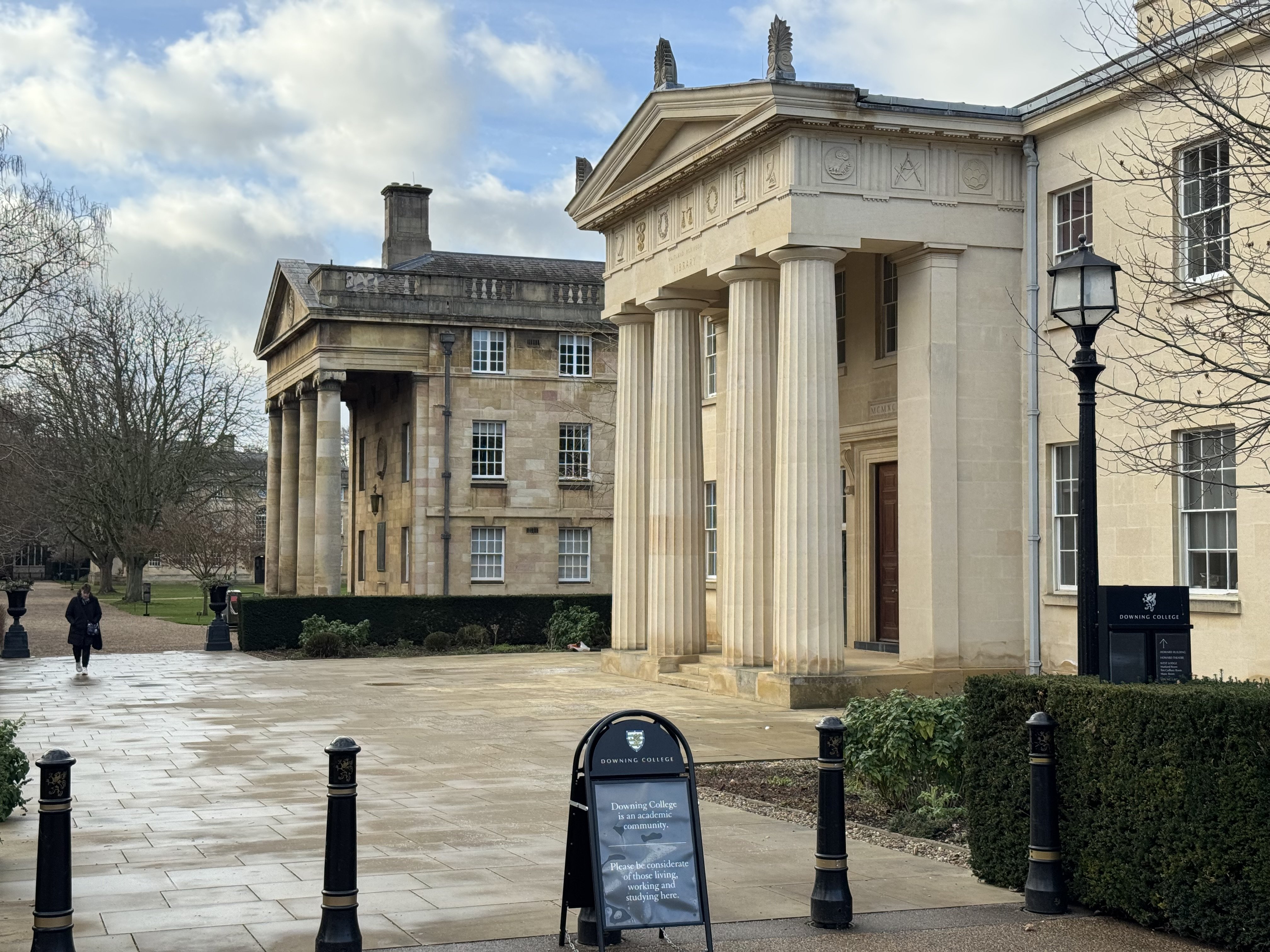
University of Cambridge
We saw this reflected in concrete applications: energy optimisation, industrial decarbonisation and computer vision made AI tangible and recognisable. At the same time, it became clear which enabling conditions make the difference in ensuring this takes hold sustainably – data quality, open collaboration and a strong ecosystem.
Through this combination of examples and prerequisites, AI became far more visible and therefore less abstract. As Saskia put it: “The threshold for getting started with AI is much lower than is often assumed. Especially with agent-like applications, it is less about the perfect plan and more about starting and learning.”
This also allowed AI to be placed alongside earlier digital transformations: different in pace and scale, but not fundamentally elusive.
2. Strategic reflection: what does this mean for our position? (London)
Along the way, the conversation shifted from “what can AI do?” to “what does this require of us as the Port of Rotterdam?”
Shared observations included, among others:
- AI directly affects energy consumption, infrastructure and data sovereignty.
- The port has a unique role as a hub between public and private parties.
- Delaying decisions increases the gap between organisations that choose a direction and those that wait and see.
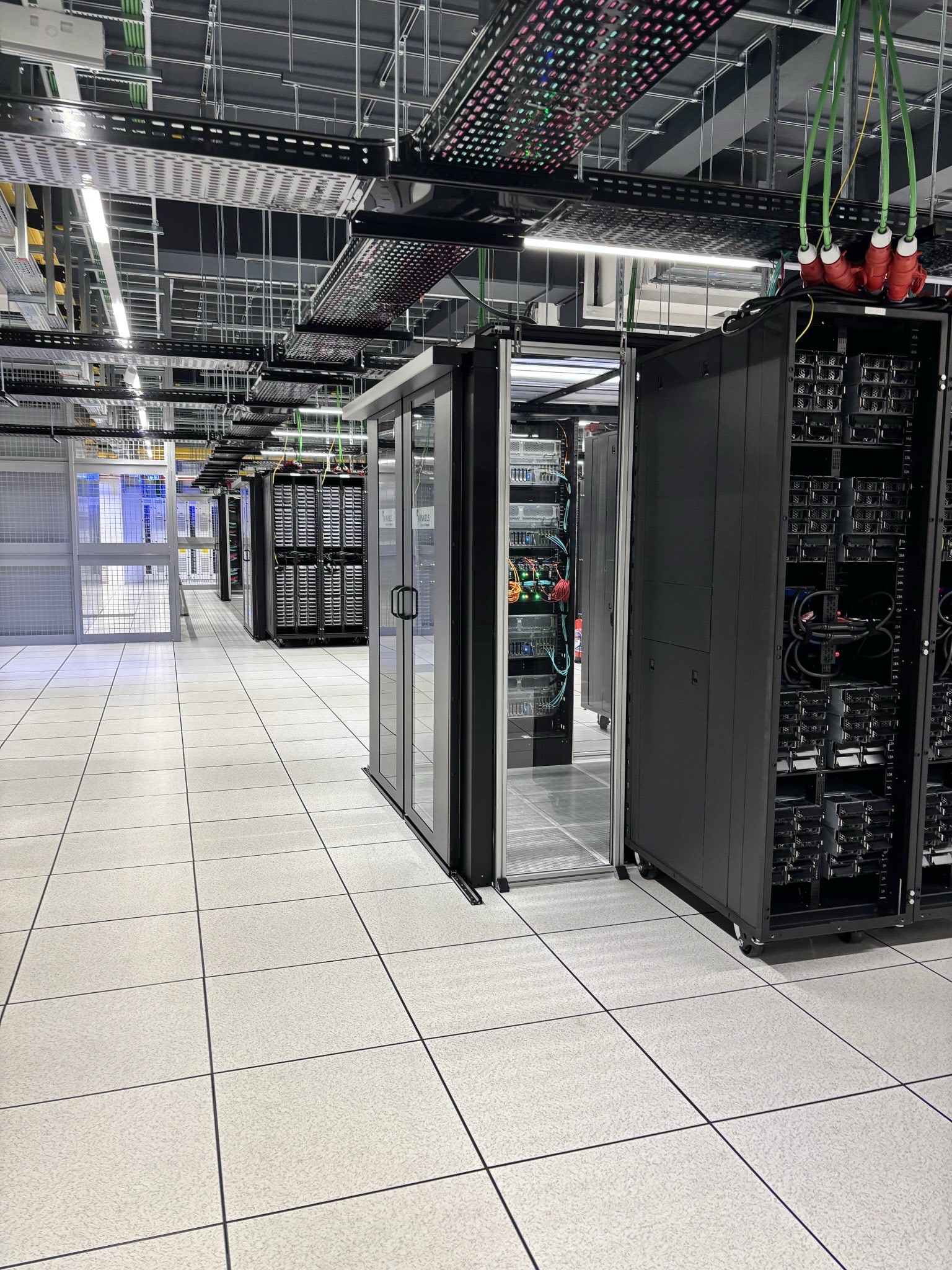
Nebius data centre
For the Port of Rotterdam, it became clear that AI is above all a leadership and employee issue. A key insight:
AI is the tool, but AI is only as good as the people who work with it.
3. From insight to shared ambition (Paris)
An important effect of the journey lay not only in the content, but in the time and space that was created together. By spending almost an entire week focused on the same topic, a level of depth emerged that is rarely possible in day-to-day work.
According to Saskia, this was crucial: “Because everyone saw the same examples and had the same conversations, a shared language emerged. That made the discussion about ambition and role much more concrete and honest.”
This led to a shared view of the role the Port of Rotterdam wants to play: directional, connecting and enabling within the wider ecosystem.
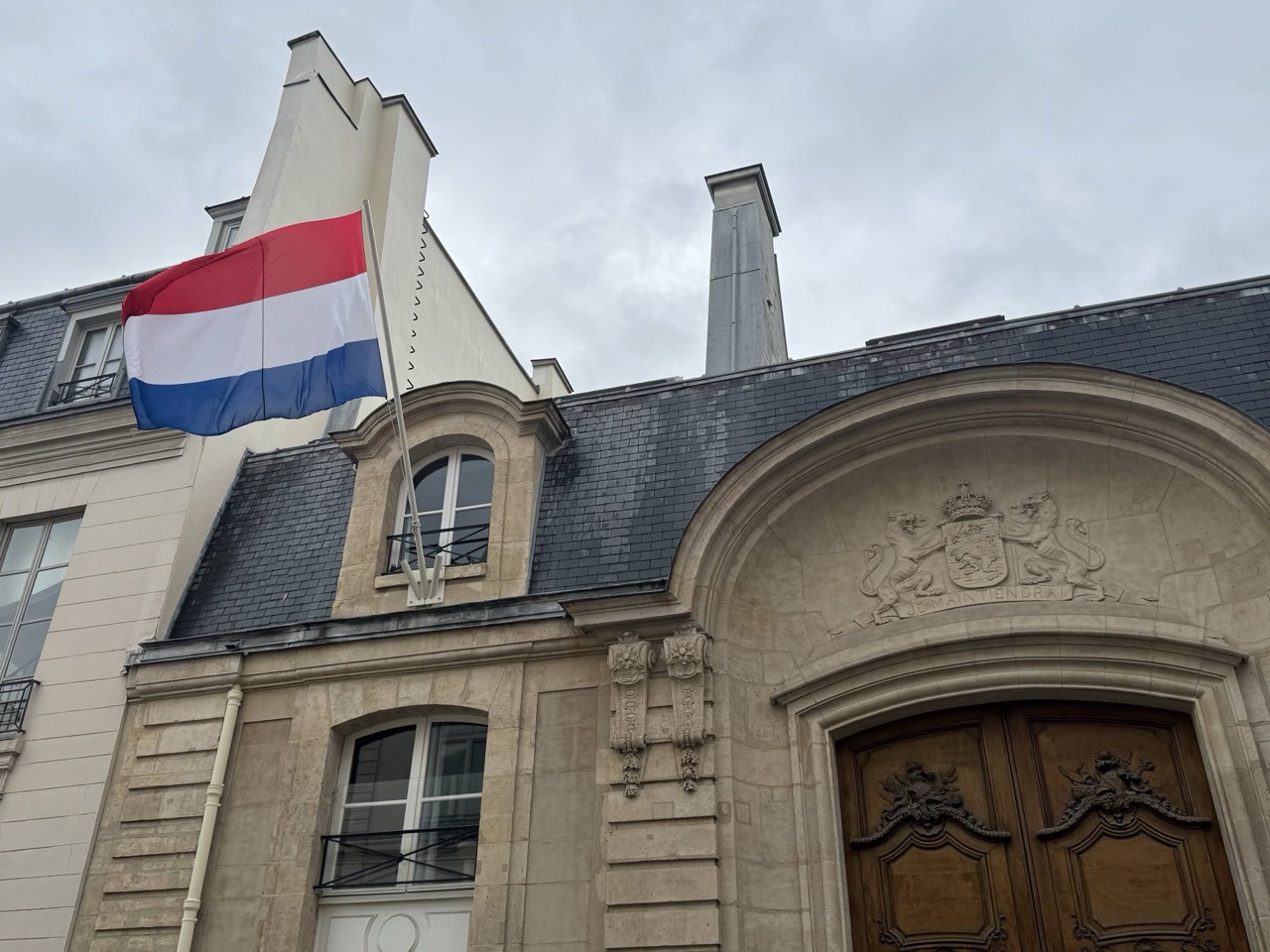
Hôtel d’Avaray (official residence of the Dutch ambassador)
Impact within the organisation
The AI inspiration journey did not result in a ready-made AI plan, but in something more fundamental:
- A shared understanding of AI and its impact on the port, the city and Europe.
- Strategic clarity on where the Port of Rotterdam does and does not want to make a difference.
- A jointly supported foundation for formulating an AI ambition.
The impact was not limited to the travelling group. During and after the journey, active communication took place across the organisation. As a result, AI became a strategic theme throughout the organisation, not just a technical subject.
Saskia observed that the enthusiasm did not stem from someone pushing it, but because people saw: something serious and coherent is happening here.
Afterwards, this became visible in initial concrete steps, such as the formation of teams, the launch of new AI experiments and the development of AI agents.
Why this approach works
Looking back, Saskia notes that this approach was effective because AI was strategically urgent at that moment, but still insufficiently defined. This created space to explore direction together. By organising the learning process collectively, senior leaders developed a shared understanding and a common language. Context and direction were then deliberately built first, before structural choices and solutions were defined.
Her conclusion for other organisations:
If AI truly becomes strategically relevant and levels of understanding vary widely, then this is the moment when a leadership team needs to slow down together in order to speed up later.